
Global Rescue Action Network Updates
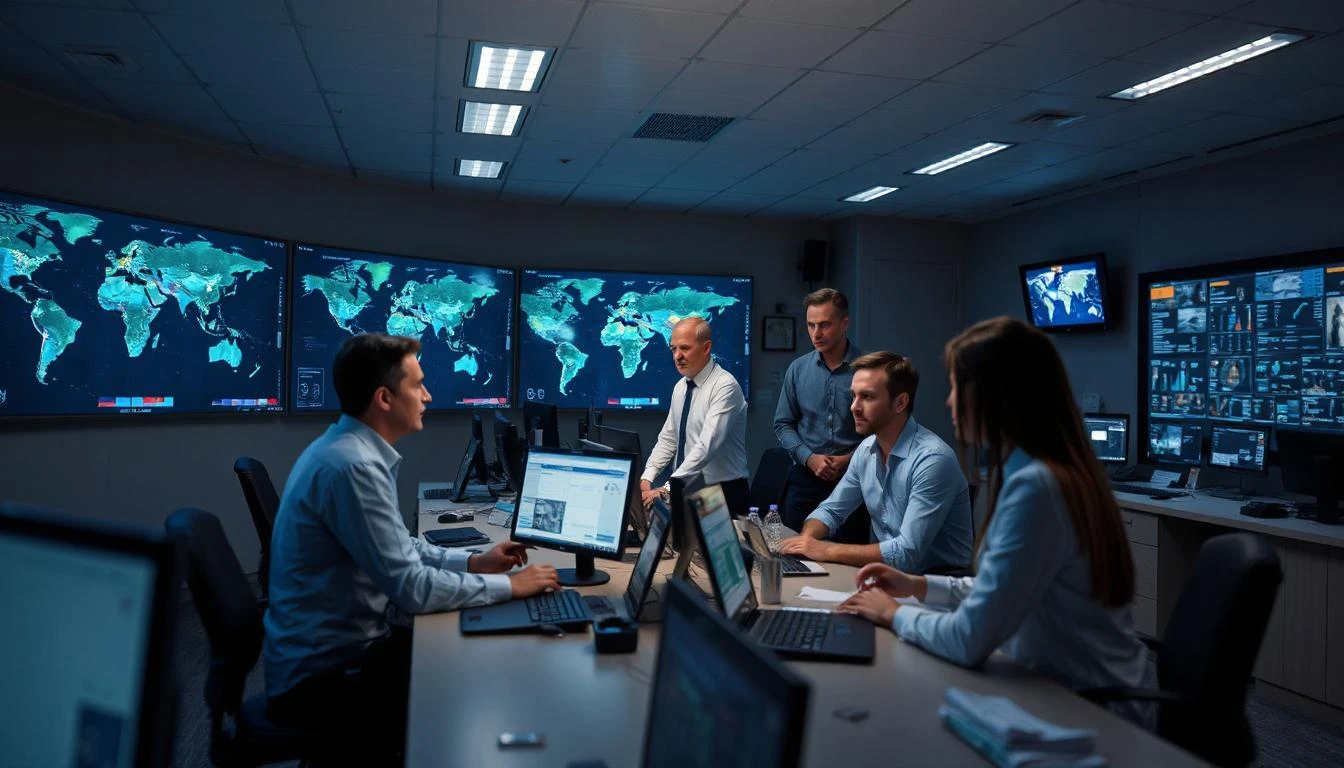
In today’s hyper-connected world, global health emergencies don’t wait for systems to catch up, they demand immediate, precise, and coordinated action. From sudden disease outbreaks to large-scale natural disasters, the ability to respond swiftly has become a defining factor between containment and catastrophe. Behind the scenes, complex infrastructures are quietly working, linking medical teams, data systems, and international agencies into one synchronized force that operates across borders without hesitation.
At the center of this transformation lies the rescue action network, a powerful ecosystem designed to deliver rapid medical response, real-time coordination, and life-saving interventions on a global scale. This network doesn’t just react, it anticipates, adapts, and evolves with every crisis. When you look closer, you’ll start to realize that these systems are not just about emergency response, but about shaping the future of global healthcare resilience.
Latest Developments In Global Rescue Networks
The pace of innovation in global rescue systems is accelerating fast, and it’s changing how medical emergencies are handled worldwide. If you’ve ever wondered how different countries suddenly coordinate during a crisis, this is where it all begins, inside highly adaptive and constantly evolving rescue frameworks.
Right after major advancements in this field, global rescue updates reveal how integrated systems now allow seamless collaboration between nations, hospitals, and emergency responders, creating a unified response that feels almost instantaneous.
International Emergency Response Systems
Modern emergency response systems are no longer isolated. They are interconnected networks powered by real-time health data, predictive analytics, and centralized command centers. These systems enable authorities to detect outbreaks early and deploy medical teams before situations escalate.
What makes them truly powerful is their ability to synchronize efforts across continents. A health alert in one region can instantly trigger preventive measures elsewhere, reducing global risk significantly.
Technology Improving Rescue Coordination
Technology has become the backbone of coordination. Cloud-based platforms, AI-driven insights, and data-sharing tools now guide decision-making with precision. Instead of reacting blindly, rescue teams operate with clarity and foresight.
This shift has introduced smarter logistics, faster communication, and optimized resource allocation, ensuring that help reaches the right place at the right time without unnecessary delays.
Cross Border Humanitarian Partnerships
Collaboration across borders has reached a new level of efficiency. Governments, NGOs, and private sectors now share resources and expertise without bureaucratic friction.
This global cooperation strengthens trust and ensures transparency, making it easier to execute large-scale rescue missions that would have been nearly impossible a decade ago.
Challenges Facing Rescue Action Teams
While the progress is impressive, the reality on the ground is still filled with obstacles. Rescue teams operate in unpredictable environments where even the most advanced systems can be tested to their limits.
Understanding these challenges helps you see the human and logistical complexity behind every successful rescue mission.
Communication During Disasters
One of the biggest hurdles remains communication breakdown. During disasters, infrastructure often collapses, cutting off essential communication channels.
Without stable networks, coordination slows down, and critical decisions are delayed. This is why resilient communication systems are now a top priority in global rescue planning.
Limited Emergency Resources
Even with advanced systems, resources are not always enough. Medical supplies, trained personnel, and funding can quickly become scarce during large-scale emergencies.
This scarcity forces teams to make difficult decisions, prioritizing who receives help first, highlighting the importance of efficient resource management strategies.
Access To Remote Locations
Reaching remote or isolated areas continues to be a major challenge. Difficult terrain, extreme weather, and lack of infrastructure often delay rescue operations.
Despite technological advancements, these physical barriers remind us that not all problems can be solved digitally, some still require innovative, ground-level solutions.
Innovations In Modern Rescue Operations
Innovation is where things get exciting. The way rescue operations are evolving today feels almost futuristic, yet it’s already happening around us.
These advancements are not just improving efficiency, they are redefining what’s possible in emergency healthcare.
AI And Drone Assistance
Artificial intelligence and drones are revolutionizing rescue missions. Drones can deliver medical supplies to areas that are otherwise unreachable, while AI predicts where the next crisis might occur.
This combination allows for proactive intervention rather than reactive response, fundamentally changing how emergencies are handled.
Real Time Tracking Systems
Real-time tracking systems provide complete visibility over rescue operations. Teams can monitor patient conditions, track resources, and adjust strategies instantly.
This level of transparency ensures that every action is data-driven, reducing errors and improving outcomes significantly.
Faster Emergency Response Methods
Speed is everything in rescue operations. New methods focus on reducing response time through streamlined protocols and mobile medical units.
As Dr. Michael Osterholm explains, “Preparedness is not about reacting quickly, but about being ready before the crisis even begins,” highlighting how anticipation is now the core of modern rescue strategies.
Stay Updated With Global Rescue Action Network Developments Today
Staying informed about these developments is more important than ever. The world is changing fast, and so are the risks that come with it. When you understand how these systems work, you’re not just a passive observer, you become part of a more aware and prepared global community.
As global health expert Dr. Tedros Adhanom Ghebreyesus once stated, “Global health security is only as strong as its weakest link,” reminding us that awareness and shared responsibility play a crucial role in strengthening these networks.
The more you follow updates, the clearer it becomes that these systems are not distant or abstract, they directly impact your safety, your environment, and your future.