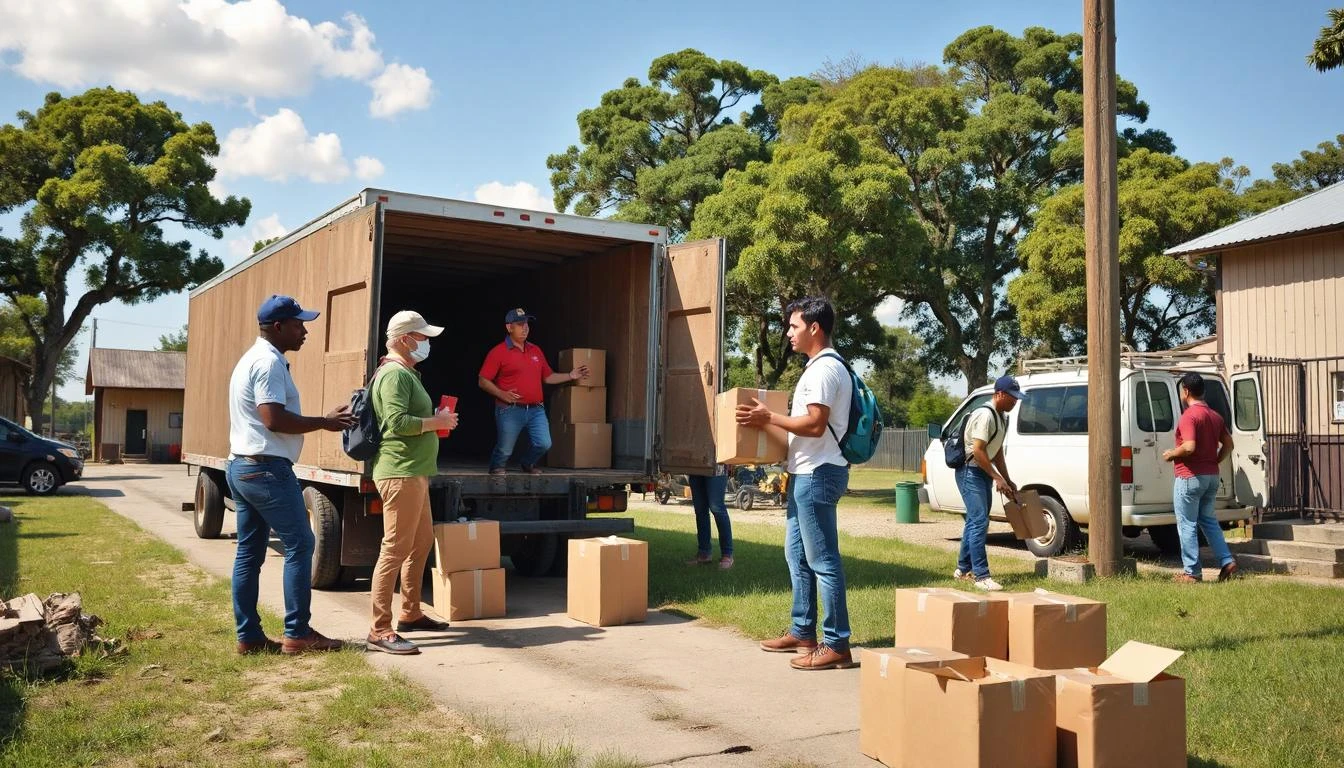
Rescue Action Emergency Tips Guide

Emergencies have a way of appearing without warning, disrupting even the most carefully planned routines. In those critical moments, the difference between chaos and control often comes down to how prepared you are beforehand. It’s not just about reacting quickly, but about responding with clarity, confidence, and a structured mindset that keeps you focused when everything else feels uncertain.
Understanding and applying rescue emergency tips becomes essential in building that readiness, especially when dealing with unpredictable health and safety situations. As emergency physician Dr. David Cone once said, "Preparation and clear thinking in the first minutes of an emergency can significantly improve survival outcomes." That insight highlights how crucial it is to equip yourself with practical knowledge that turns panic into purposeful action.
Essential Emergency Preparedness Basics
Emergencies don’t wait for permission, they interrupt, disrupt, and often overwhelm within seconds. That’s why understanding how to prepare before anything happens becomes a quiet superpower. You might think it won’t happen to you, but the truth is, preparedness is what separates panic from precision when every second counts.
An effective emergency action guide begins with the basics, knowing what to do before, during, and after a crisis. Preparation isn’t complicated, but it requires intention, awareness, and consistency. Let’s break it down step by step so you can build confidence in handling real-life emergencies.
Creating Emergency Action Plans
Think about this: if something unexpected happens right now, do you already know your next move? A structured emergency action plan answers that question instantly. It defines roles, outlines escape routes, and ensures everyone involved understands what to do without hesitation.
Start by identifying potential risks around you, fires, floods, or sudden medical emergencies. Then map out clear responses. Assign responsibilities if you’re with family or a team, and keep communication lines simple. The more familiar the plan, the faster your reaction will be when it truly matters.
Building Survival Kits
Preparation becomes tangible when you build your own survival kit. This isn’t just a box of random supplies, it’s your first line of defense. Include essentials like water, food, a flashlight, batteries, and a well-stocked first aid kit.
Don’t overlook personal needs. Medications, hygiene products, and even backup phone chargers can make a huge difference. A well-prepared kit ensures you’re not scrambling for resources when time is critical.
Understanding Evacuation Procedures
Leaving a dangerous situation isn’t just about speed, it’s about strategy. Knowing multiple evacuation routes helps you avoid bottlenecks and unsafe areas. Practice these routes regularly so your response becomes automatic rather than reactive.
Important Rescue Tips During Emergencies
Staying Calm Under Pressure
It’s easy to say “stay calm,” but how do you actually do it? The key lies in controlling your breathing. Slow, steady breaths help regulate your body’s stress response and keep your thinking sharp.
When your mind is steady, your decisions improve. You’re able to assess the situation, prioritize actions, and avoid impulsive mistakes that could worsen the situation.
Communicating with Rescue Teams
Clear communication can save time, and in emergencies, time is everything. When contacting rescue teams, focus on the essentials: your location, the situation, and how many people are involved.
Avoid unnecessary details. Simplicity ensures your message is understood quickly. If possible, use tools like mobile alerts or signaling devices to increase your visibility.
Prioritizing Personal Safety
Before helping others, make sure you’re safe. This might sound counterintuitive, but it’s a fundamental principle in emergency response. If you become injured, you can’t assist anyone else.
Watch out for hidden dangers like unstable structures or electrical hazards. Staying aware of your surroundings keeps you in control and reduces the risk of additional harm.
Post Emergency Safety Measures
Checking for Injuries and Hazards
Start by assessing yourself and others for injuries. Look for bleeding, fractures, or signs of shock. Apply basic first aid where necessary and prioritize serious conditions.
At the same time, scan your environment. Hazards like gas leaks or damaged structures can pose ongoing risks. Taking a few extra moments to check thoroughly can prevent secondary accidents.
Accessing Emergency Support Services
You don’t have to handle everything alone. Emergency services, healthcare providers, and humanitarian organizations are there to support recovery efforts.
As public health expert Dr. Michael Osterholm explains, "Early access to emergency support services can drastically reduce long-term health risks after a crisis." Reaching out is not a weakness, it’s a smart, proactive decision.
Preparing for Recovery Efforts
Recovery is a process, not a single step. Begin by documenting damages and organizing your resources. This helps when applying for assistance or rebuilding your environment.
Take lessons from the experience and refine your preparedness strategy. Each emergency teaches something valuable that can improve your readiness for the future.
Learn Emergency Rescue Tips And Improve Your Safety Awareness Today
Awareness doesn’t happen overnight, it builds over time through learning, practice, and reflection. The more you understand emergency situations, the more confident and capable you become in facing them.
Think about your current level of preparedness. Are you ready, or just hoping nothing happens? Taking small steps today, learning, planning, and preparing, can completely change how you respond tomorrow. Start now and make safety a natural part of your daily mindset.