Humanitarian Rescue Action Across The World
In today’s unpredictable world, crises don’t wait for readiness, they strike suddenly, leaving communities scrambling for survival. From devastating natural disasters to rapidly spreading health emergencies, the question isn’t just about what happens, but how quickly and effectively help can arrive. You might wonder, who coordinates all of this chaos into something that actually saves lives?
The answer lies in the power and precision of humanitarian rescue action, a system built on coordination, expertise, and rapid response across borders. This global effort connects medical teams, emergency responders, and critical resources to those in urgent need. As Dr. Samantha Lewis states, "Effective rescue missions depend on coordination as much as compassion, without both, even the best intentions can fail to save lives."
Understanding Humanitarian Rescue Missions
When you look deeper into how rescue missions operate, you begin to realize that nothing about them is random. Every move is calculated, every response carefully structured to maximize impact in the shortest time possible.
Within this complex system, global rescue aid plays a central role by ensuring that resources are distributed efficiently across affected regions. It acts as the backbone that connects international efforts into a unified response, especially during large-scale health and disaster emergencies.
Disaster relief operations
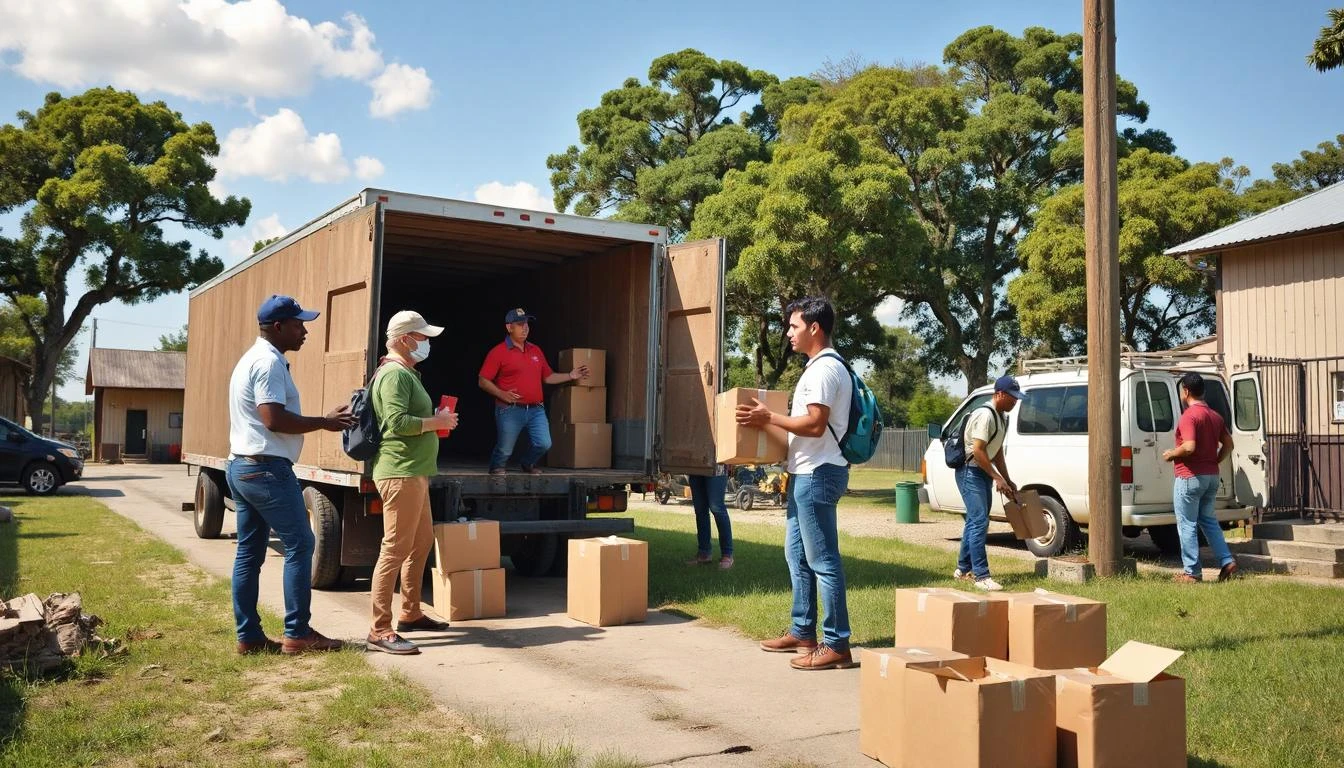
Disaster relief operations are often the first line of response in any humanitarian rescue action. Whether it’s earthquakes, floods, or hurricanes, rapid deployment teams arrive with essential supplies, mobile shelters, and real-time coordination tools.
Today, these operations are enhanced by technologies such as satellite mapping and predictive analytics, allowing teams to anticipate damage and respond faster than ever before.
Medical emergency assistance
Medical response is the heartbeat of every rescue mission. In critical moments, healthcare professionals step into unstable environments to deliver life-saving treatment under immense pressure.
Through systems like field hospital deployment and emergency medical response networks, aid reaches even the most remote or high-risk areas, ensuring that no one is left without care.
Refugee and crisis support programs
Beyond immediate rescue, long-term recovery becomes essential, especially for displaced populations. Refugee support programs provide shelter, healthcare, and psychological assistance to help rebuild lives.
These initiatives focus on sustainability, ensuring that affected communities are supported not just in survival, but in recovery and resilience.
Organizations Supporting Global Rescue Actions
Behind every successful rescue operation, there are organizations working relentlessly to make it happen. Their coordination turns fragmented efforts into a unified global response.
In this ecosystem, global rescue aid becomes the driving force that aligns resources, expertise, and communication across different regions and sectors.
International humanitarian agencies
Major organizations like the Red Cross and WHO lead large-scale operations worldwide. Their experience allows them to manage complex crises with structured and reliable systems.
They focus on areas such as global health emergencies, disaster coordination, and medical aid distribution.
Volunteer rescue communities
Volunteer groups bring flexibility and speed to rescue missions. Often the first to respond, they understand local conditions and can act quickly.
With the rise of digital platforms, these communities are becoming more organized and impactful than ever.
Government emergency response teams
Governments deploy trained units equipped to handle disasters and emergencies at a national level. These teams work within structured systems to ensure rapid and effective responses.
Their strength lies in infrastructure, authority, and the ability to mobilize resources quickly.
Challenges In Humanitarian Rescue Efforts
Even with advanced systems in place, humanitarian rescue efforts are not without challenges. Understanding these barriers helps explain why some missions face delays or limitations.
Funding and resource limitations
One of the biggest challenges is funding. Many rescue operations depend on donations, which can be inconsistent.
This affects everything from medical supplies to the availability of trained personnel.
Access to conflict zones
Reaching areas affected by conflict is extremely difficult. Security risks and political barriers often limit access to those in need.
Efforts to improve safe access require strong international cooperation.
Coordinating global support
With multiple organizations involved, coordination can become complex. Miscommunication can slow down response times or create inefficiencies.
To solve this, integrated systems are being developed to streamline global collaboration.
Support Humanitarian Rescue Actions And Help Communities Worldwide
At this stage, you might start asking yourself, what role can you play in all of this? The truth is, supporting humanitarian rescue action doesn’t always mean being physically present in crisis zones.
By understanding how global rescue aid works and sharing accurate information, you contribute to a larger movement that values human life. As Dr. Michael Chen highlights, "Informed communities are stronger communities, awareness itself can become a powerful form of support."
Even small actions can create meaningful change. So if this speaks to you, take a moment to care, share, and support in your own way.