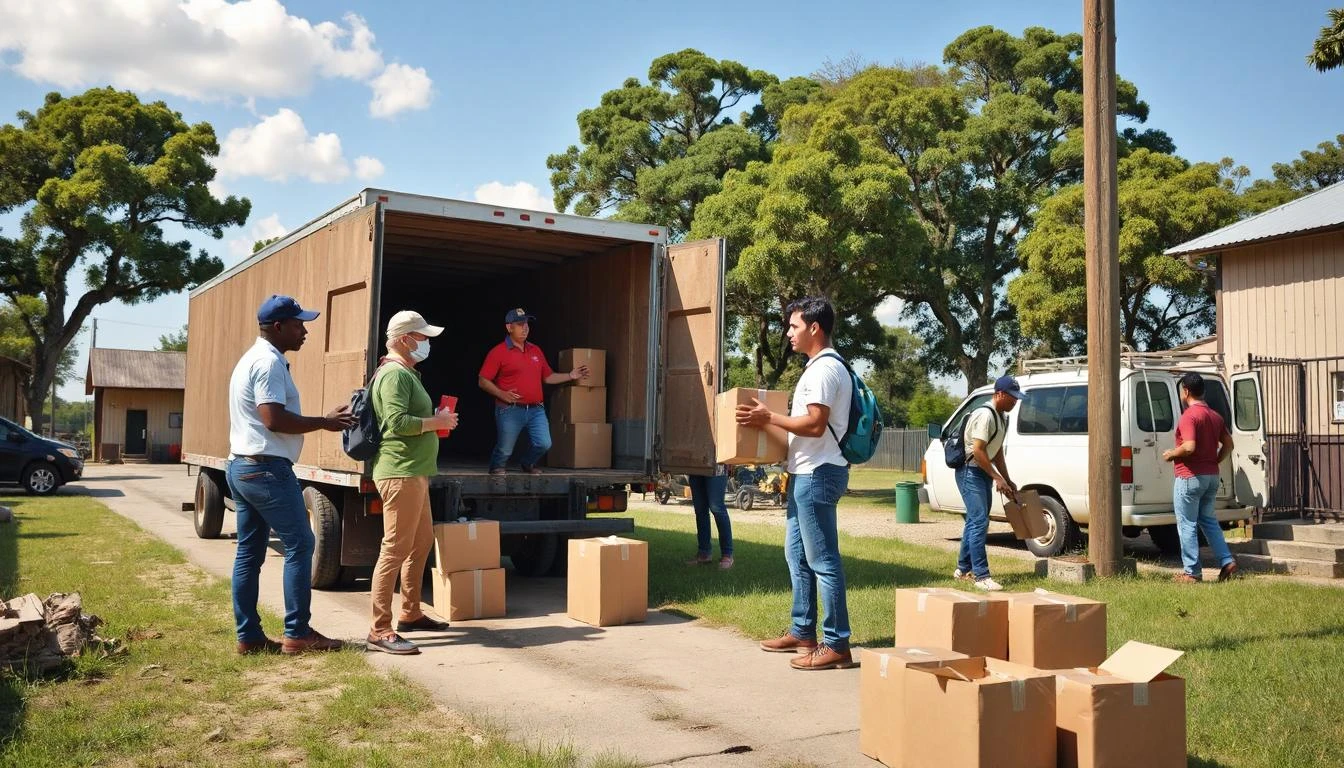
Safety Awareness Through Rescue Action
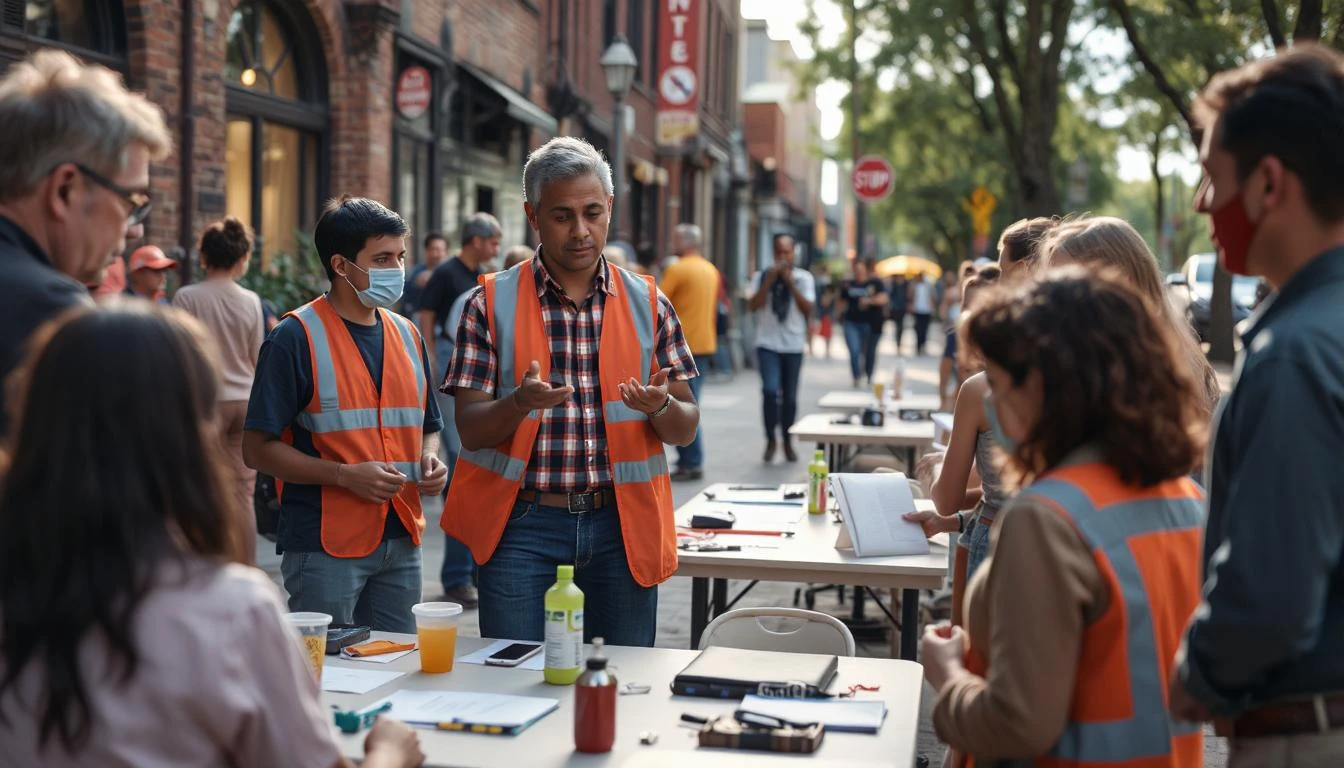
Emergencies don’t send invitations, they arrive abruptly, often leaving people unprepared and overwhelmed. From sudden cardiac incidents to large-scale disasters, the ability to stay calm and act quickly can define outcomes in ways most never anticipate. That’s why understanding safety isn’t just a precaution, it’s a critical life skill that quietly shapes survival in modern society.
In today’s unpredictable environment, rescue safety awareness plays a pivotal role in how individuals respond to health and medical emergencies. This concept goes beyond theory, embedding practical knowledge into everyday life and encouraging people to think ahead, act faster, and respond smarter when every second truly counts.
Importance Of Safety Awareness Education
When you think about safety education, it’s easy to imagine classroom lessons or routine drills. But in reality, it’s something far more dynamic, it’s about shaping instinct, sharpening awareness, and building confidence in moments that matter most.
In many communities, public safety action becomes the bridge that connects knowledge with execution, ensuring that awareness transforms into real-life capability rather than passive understanding. As Dr. Atul Gawande explains, "Better is possible. It does not take genius. It takes diligence. It takes moral clarity. It takes ingenuity. And above all, it takes a willingness to try."
Preventing accidents and emergencies
Preventing emergencies starts long before they happen. It begins with recognizing risks, understanding warning signs, and making small but impactful decisions every day. Whether it’s identifying symptoms of a stroke or avoiding hazardous environments, awareness reduces vulnerability.
Health-focused safety education also introduces essential practices like CPR, first aid, and early symptom detection. These are not just technical skills, they are life-saving interventions that can significantly reduce fatality rates when applied correctly and promptly.
Building community preparedness
Prepared communities don’t rely solely on emergency services, they build internal strength. When people are trained collectively, they create a network of readiness where help is immediate and coordinated.
Community drills, shared knowledge, and open communication foster resilience, making it possible for individuals to support one another during high-pressure situations.
Teaching emergency response basics
Basic emergency response skills are often underestimated, yet they are the foundation of effective action. Knowing how to assess a situation, call for help, and provide immediate assistance can dramatically change outcomes.
Simple actions, like placing someone in a recovery position or stopping severe bleeding, can stabilize a situation before professional help arrives.
How Rescue Actions Improve Public Safety
Rescue actions are where knowledge meets urgency. They represent the critical moment when preparation turns into action, and outcomes are determined by speed, coordination, and accuracy.
The presence of structured public safety action ensures that rescue efforts are organized and effective, enabling both responders and communities to act with clarity instead of panic. As Dr. Michael Osterholm states, "Preparedness is not optional in modern society, it is the foundation of survival in a rapidly changing global health landscape."
Rapid response during disasters
In disaster scenarios, time becomes the most valuable resource. Rapid response systems are designed to minimize delays and deliver immediate assistance to those in need.
From medical emergencies to natural disasters, trained responders follow established protocols to ensure efficiency and improve survival rates.
Public evacuation coordination
Evacuation is more than just moving people from one place to another, it’s a carefully orchestrated process that requires clarity and control. Without proper coordination, panic can escalate risks instead of reducing them.
Clear communication, designated routes, and trained personnel help ensure that evacuations are smooth and safe.
Emergency communication systems
Communication is the backbone of every successful rescue operation. Without accurate and timely information, even the best strategies can fail.
Modern systems now utilize digital alerts, mobile networks, and integrated platforms to deliver real-time updates that guide both responders and the public effectively.
Building A Culture Of Safety Awareness
Creating a culture of safety doesn’t happen overnight. It evolves through continuous education, shared responsibility, and a collective mindset that prioritizes preparedness.
This cultural shift ensures that safety awareness becomes a habit rather than a reaction, influencing how people think, behave, and respond in critical situations.
Community training programs
Training programs bring theory into practice. They provide hands-on experience that builds confidence and competence among participants.
Workshops on first aid, emergency drills, and disaster simulations allow individuals to experience realistic scenarios.
School and workplace safety education
Schools and workplaces are key environments for embedding safety awareness. Regular training sessions, safety protocols, and emergency plans ensure that individuals are equipped to respond effectively.
These structured environments help normalize safety practices, making preparedness a routine part of daily life.
Encouraging emergency preparedness habits
Preparedness often lies in small, consistent actions. Keeping emergency kits, understanding local risks, and staying informed can make a significant difference.
These habits create a strong foundation of readiness, ensuring that individuals are not caught off guard when unexpected situations arise.
Increase Safety Awareness And Be Prepared For Emergencies Today
Awareness without action is incomplete. The real impact of safety knowledge lies in how it shapes your decisions when it matters most.
So, ask yourself, are you truly prepared for the unexpected? Start strengthening your rescue safety awareness, stay engaged in public safety action, and become someone who can act decisively when every second counts.